
Reading the books I keep coming back to.
Books I keep coming back to. Grouped by what they changed, not by when I read them.
The ones I hand people
- 1
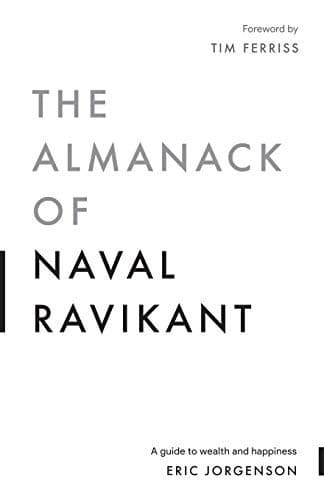 The Almanack of Naval RavikantEric Jorgenson. Wealth and happiness as skills, not traits you were assigned.
 - 2
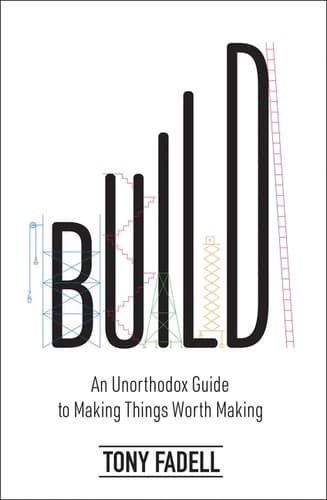 BuildTony Fadell. How to make the thing, and how to keep making it after the first version.
 - 3
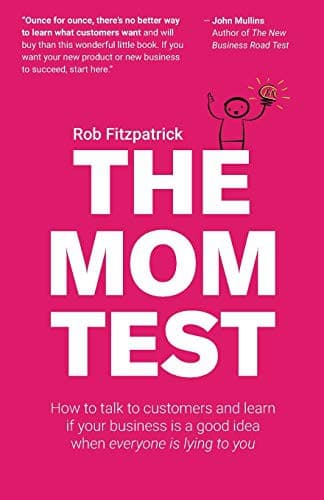 The Mom TestRob Fitzpatrick. How to talk to users without them being polite.
 - 4
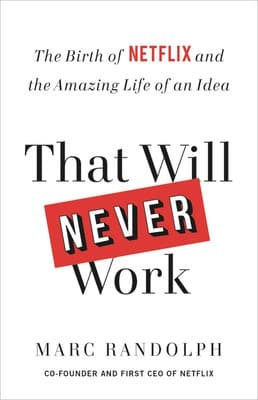 That Will Never WorkMarc Randolph. Netflix before it was Netflix. The idea is cheaper than the conviction.
 - 5
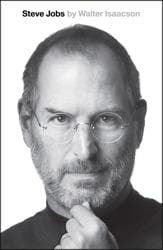 Steve JobsWalter Isaacson. The taste, the tantrums, and why the products still look inevitable.
On product
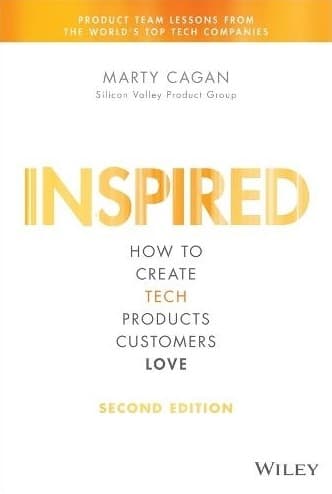 InspiredMarty Cagan. Still the clearest picture of how a real product team should work.
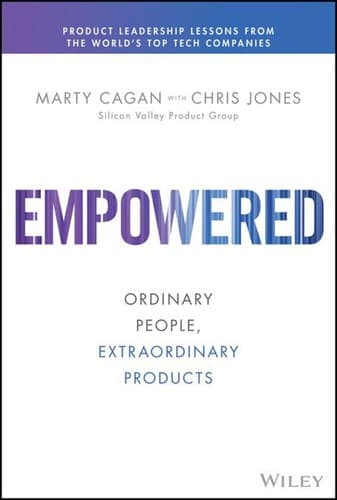 EmpoweredMarty Cagan and Chris Jones. The team is the product. Coaching beats a better process.
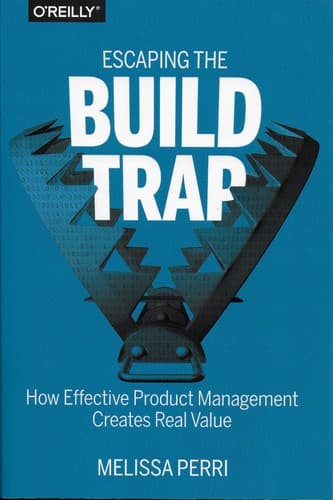 Escaping the Build TrapMelissa Perri. Shipping is not the same thing as making progress.
- The Mom TestRob Fitzpatrick. How to talk to users without them being polite.
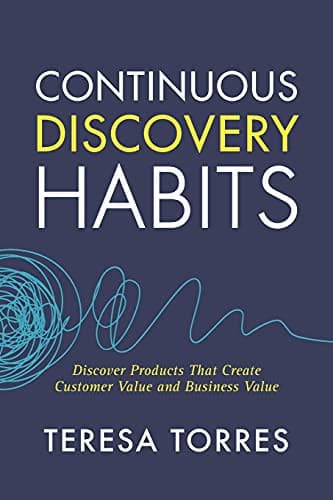 Continuous Discovery HabitsTeresa Torres. Keep discovery weekly, not as a phase you graduate from.
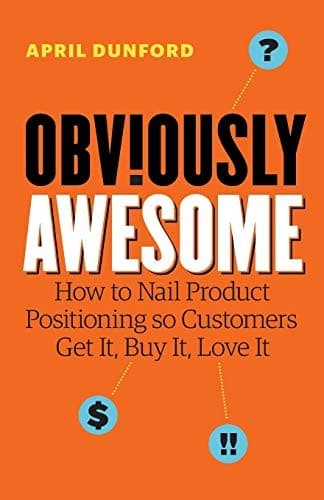 Obviously AwesomeApril Dunford. Positioning before you try to explain the product.
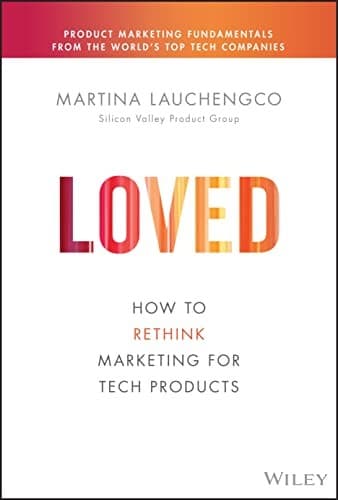 LovedMartina Lauchengco. The best product still loses if nobody understands why it matters.
 The Influential Product ManagerKen Sandy. How to lead a product without owning every decision.
 Change by DesignTim Brown. Design thinking without the workshop theater.
 Working BackwardsBryar and Carr. Start from the customer and write the press release first.
On design
 The Design of Everyday ThingsDon Norman. Why a door feels confusing, and why an interface does the same thing.
 Don't Make Me ThinkSteve Krug. If people have to think about the interface, you already lost them.
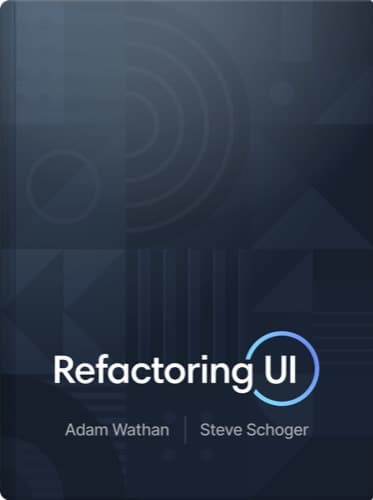 Refactoring UIAdam Wathan and Steve Schoger. Visual taste for people who review UI but do not call themselves designers.
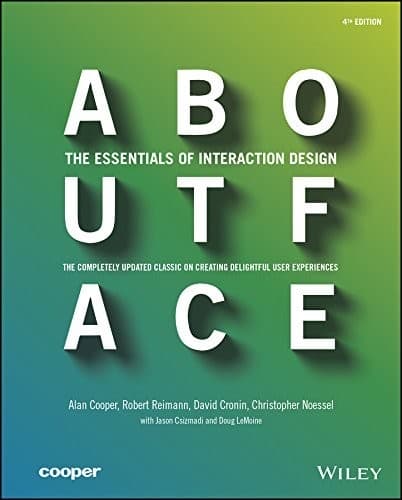 About FaceAlan Cooper. Interaction design for software that is more than a set of screens.
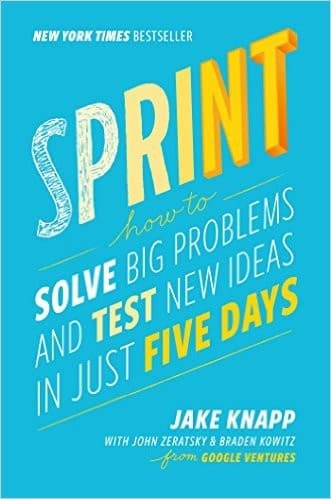 SprintJake Knapp. Five days to test the idea before you spend a quarter on it.
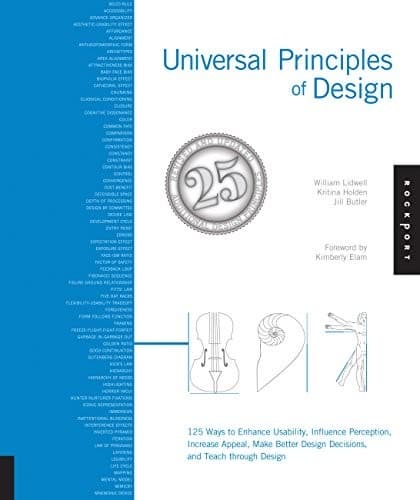 Universal Principles of DesignLidwell, Holden, and Butler. Short principles. Psychology, perception, and why some decisions feel obvious.
On building
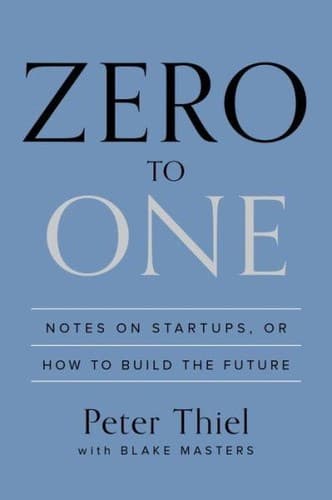 Zero to OnePeter Thiel. Competition is overrated. Build something that did not exist.
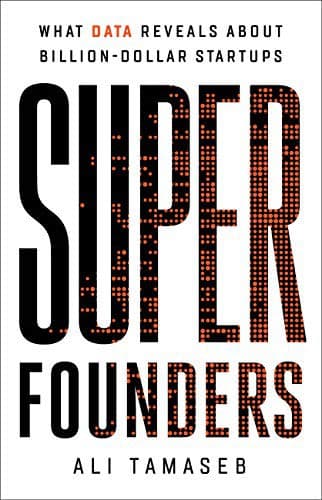 Super FoundersAli Tamaseb. What the data actually says about who builds the big ones.
- BuildTony Fadell. How to make the thing, and how to keep making it after the first version.
 The Cold Start ProblemAndrew Chen. Network effects, and the ugly first mile of getting one started.
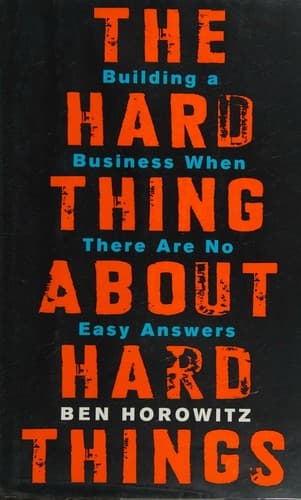 The Hard Thing About Hard ThingsBen Horowitz. The parts of the job nobody puts on a slide.
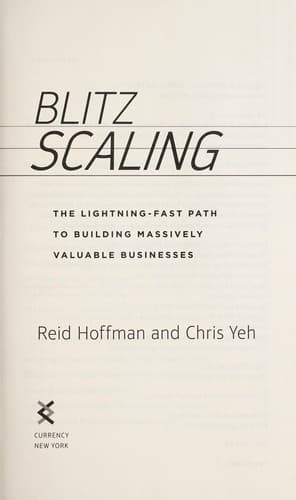 BlitzscalingReid Hoffman. When speed is the strategy, and when it burns the company down.
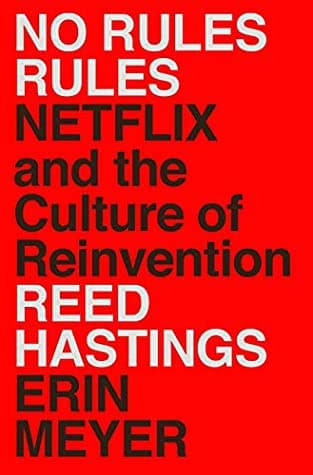 No Rules RulesReed Hastings. Netflix culture, with the parts that only work if you mean it.
- That Will Never WorkMarc Randolph. Netflix before it was Netflix. The idea is cheaper than the conviction.
 Hacking GrowthSean Ellis. Growth as a system, not a channel you try once.
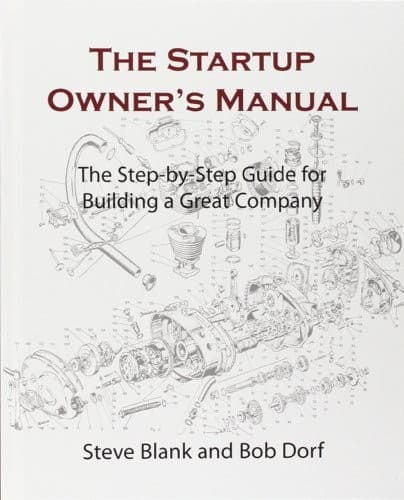 The Startup Owner's ManualSteve Blank. Customer development, written as a manual you can actually follow.
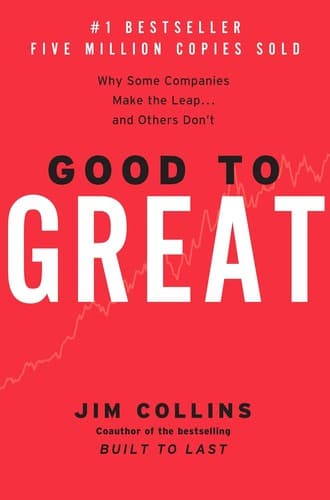 Good to GreatJim Collins. What changes when a company stops being merely good.
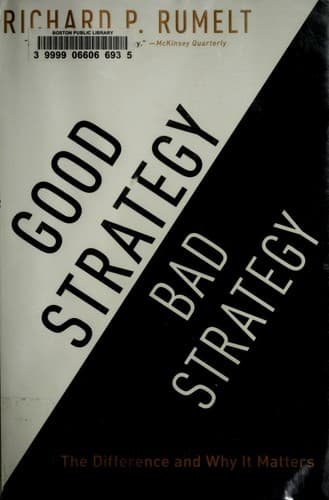 Good Strategy / Bad StrategyRichard Rumelt. Strategy is a diagnosis and a bet, not a list of goals.
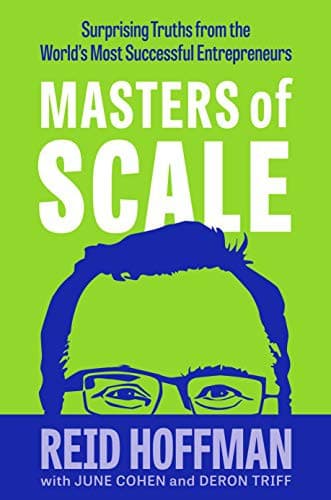 Masters of ScaleReid Hoffman. Patterns from people who scaled something that should have broken.
On thinking
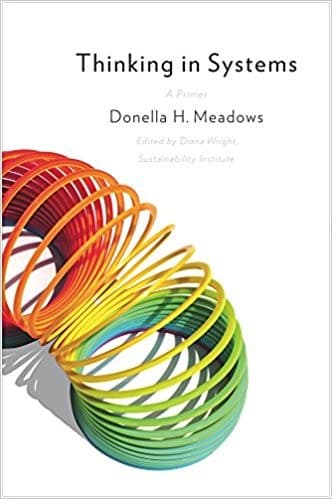 Thinking in SystemsDonella Meadows. Feedback, stocks, and why the body and a product behave alike.
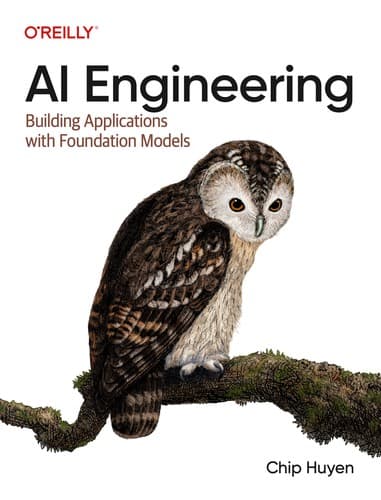 AI EngineeringChip Huyen. How to turn a model into something you can actually ship.
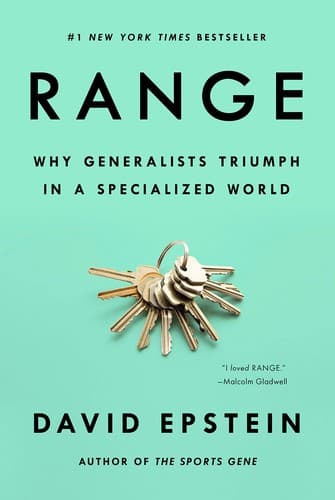 RangeDavid Epstein. A case for generalists. This one felt personal.
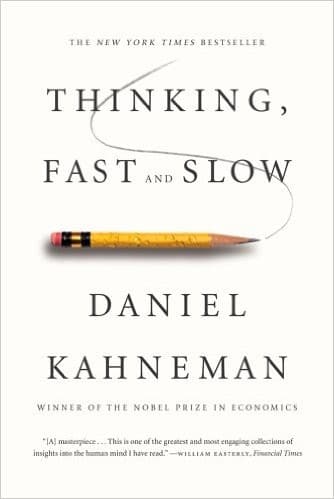 Thinking, Fast and SlowDaniel Kahneman. Two minds, and how often the fast one is quietly wrong.
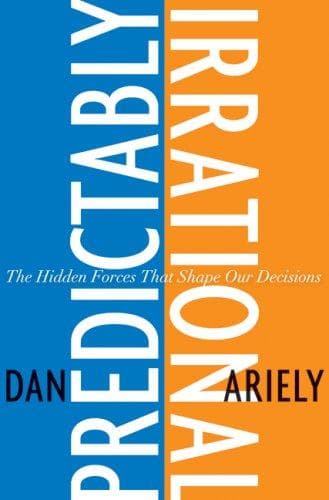 Predictably IrrationalDan Ariely. People do not decide the way they say they decide.
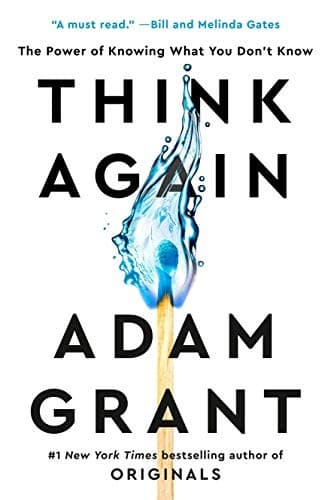 Think AgainAdam Grant. The skill of changing your mind before the evidence humiliates you.
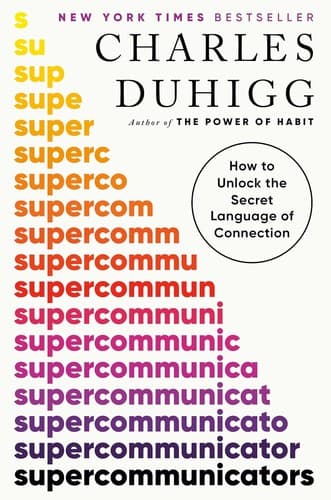 SupercommunicatorsCharles Duhigg. Conversation as a craft, not a personality trait.
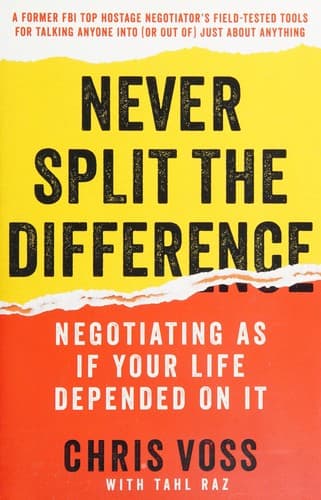 Never Split the DifferenceChris Voss. Negotiation from someone who did it when the stakes were not a roadmap.
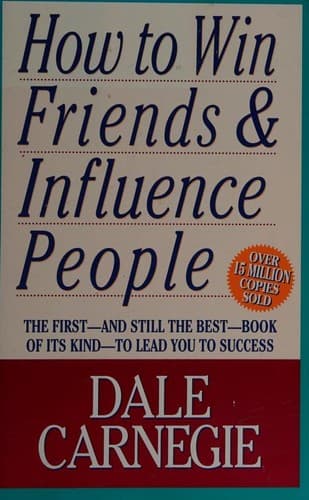 How to Win Friends & Influence PeopleDale Carnegie. Old, obvious, and still true when you actually do it.
 OutliersMalcolm Gladwell. Talent is real. So is the ten thousand hours and the zip code.
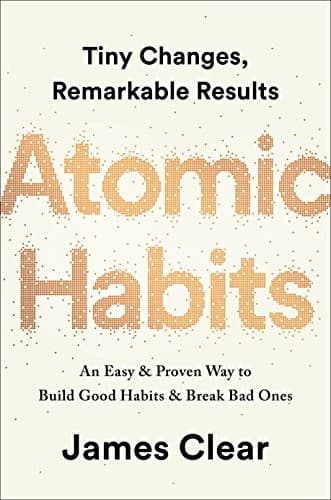 Atomic HabitsJames Clear. Tiny systems beat a better plan you will not keep.
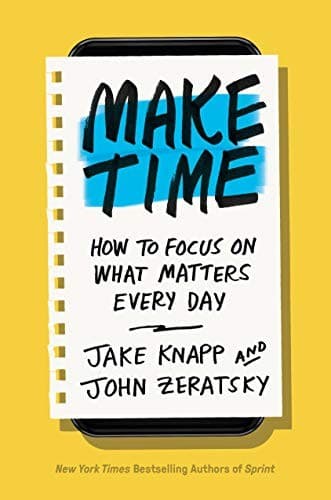 Make TimeJake Knapp and John Zeratsky. Protect the day, or the day will spend you.
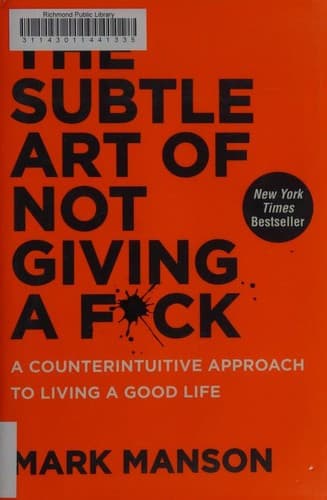 The Subtle Art of Not Giving a F*ckMark Manson. Care about fewer things, on purpose.
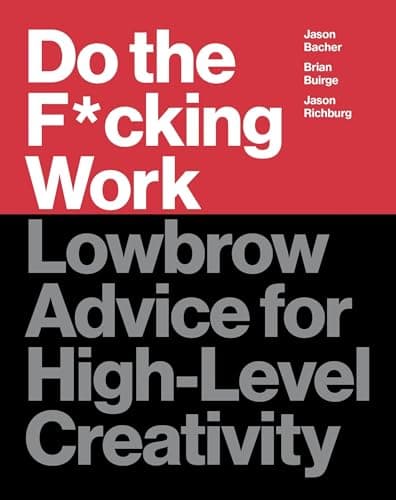 Do the F*cking WorkBrian Buirge and Jason Bacher. Taste is cheap. Sit down and make the thing.
- The Almanack of Naval RavikantEric Jorgenson. Wealth and happiness as skills, not traits you were assigned.
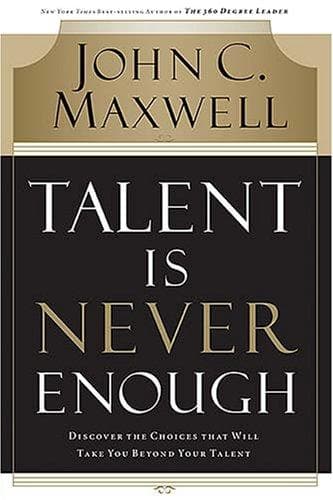 Talent Is Never EnoughJohn Maxwell. Talent is the start. Character is what stays.
On people and the world
- Steve JobsWalter Isaacson. The taste, the tantrums, and why the products still look inevitable.
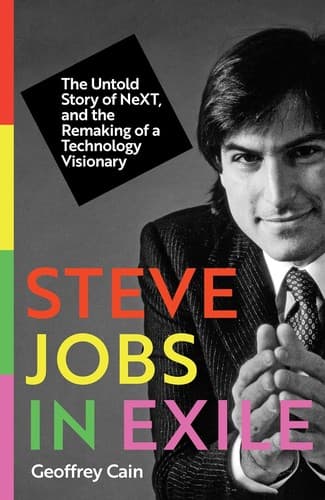 Steve Jobs in ExileGeoffrey Cain. The NeXT years. What Jobs built after the firing, and what he brought back.
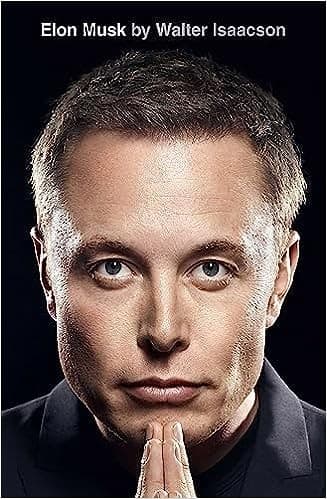 Elon MuskWalter Isaacson. Ambition at a scale that is hard to look away from, or excuse.
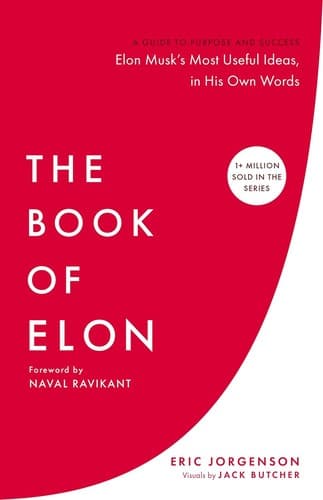 The Book of ElonEric Jorgenson. Musk in his own words. Purpose and intensity, without the full biography.
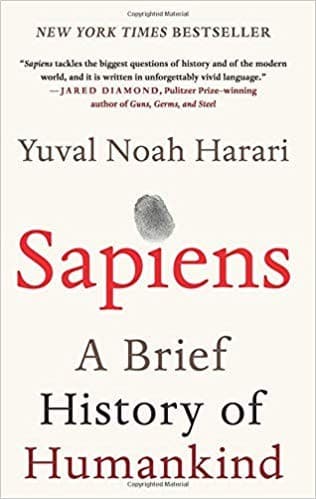 SapiensYuval Noah Harari. The story of us, told as a product of shared fiction.
 Rich Dad's Guide to InvestingRobert Kiyosaki. How the rich think about assets, for better and worse.
On mind and myth
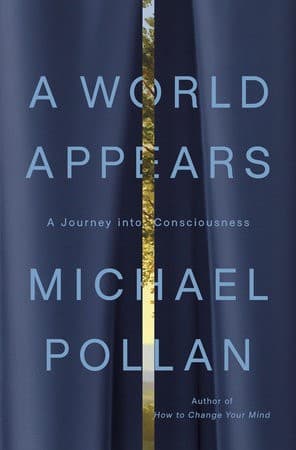 A World AppearsMichael Pollan. Consciousness, from the inside, without the usual mysticism.
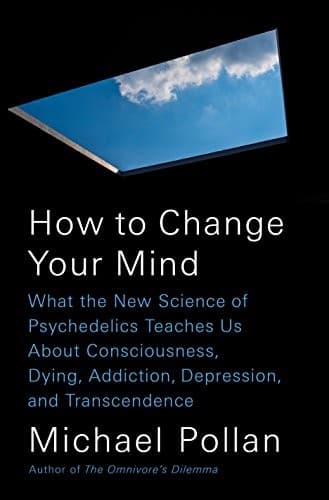 How to Change Your MindMichael Pollan. Psychedelics, science, and what a mind can still do.
 This Is Your Mind on PlantsMichael Pollan. Caffeine, opium, mescaline. Plants that rewrite attention.
 The Immortality KeyBrian Muraresku. A history of ritual, wine, and the religion that did not keep its name.
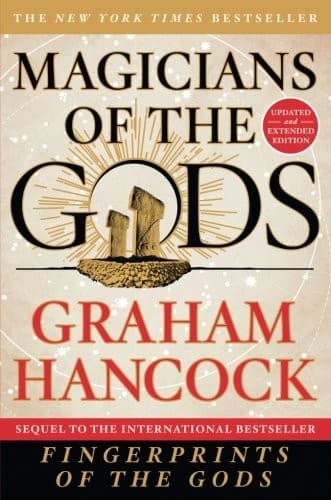 Magicians of the GodsGraham Hancock. A provocative case that we forgot an older civilization.
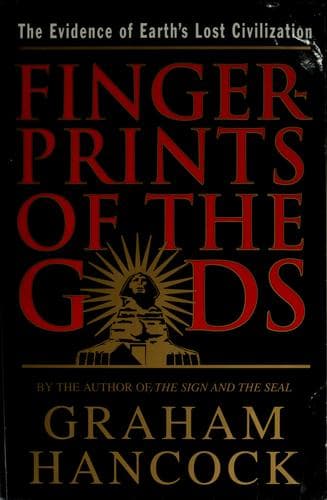 Fingerprints of the GodsGraham Hancock. The first book in that argument. Still the one people start with.